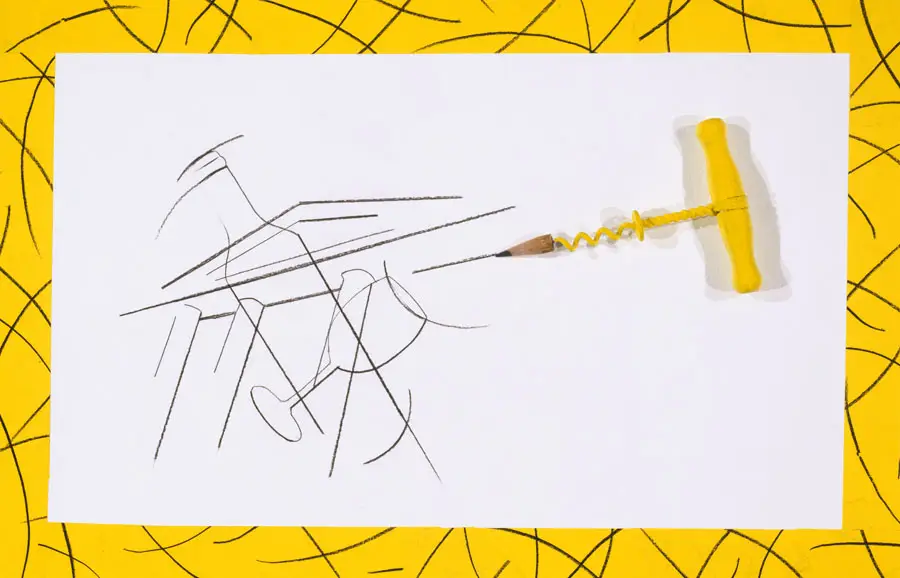
Barton Lidicé Beneš was born in 1942 in Westwood, New Jersey, and was an active figure in New York’s post-Stonewall gay cultural scene. He appeared in documentaries such as Gay Sex in the 70s and exhibited widely in the U.S. and internationally, including at the Centre Pompidou. His work is held in major collections like the Art Institute of Chicago and the Smithsonian Institution. Through his bold and unconventional practice, Beneš left a lasting impact on conversations around art, identity, and the AIDS crisis.
Barton Lidicé Beneš became known in the 1980s for his inventive and provocative constructions using unconventional materials such as shredded currency, cremation ashes, bodily fluids, and found objects. His signature “museums” arranged diverse artifacts—from ancient relics to pop culture items—into carefully organized grids that transformed fragments of everyday and historical life into art. His work often addressed taboo subjects with a mix of humor and confrontation.
A major body of work, Lethal Weapons, incorporated his own blood to directly confront the AIDS crisis and his HIV+ status. These pieces blended political activism with visual expression, challenging public fears about disease and transmission. The work was controversial, even requiring sterilization during a European exhibition, but it remains a powerful symbol of resistance and dialogue around HIV/AIDS.