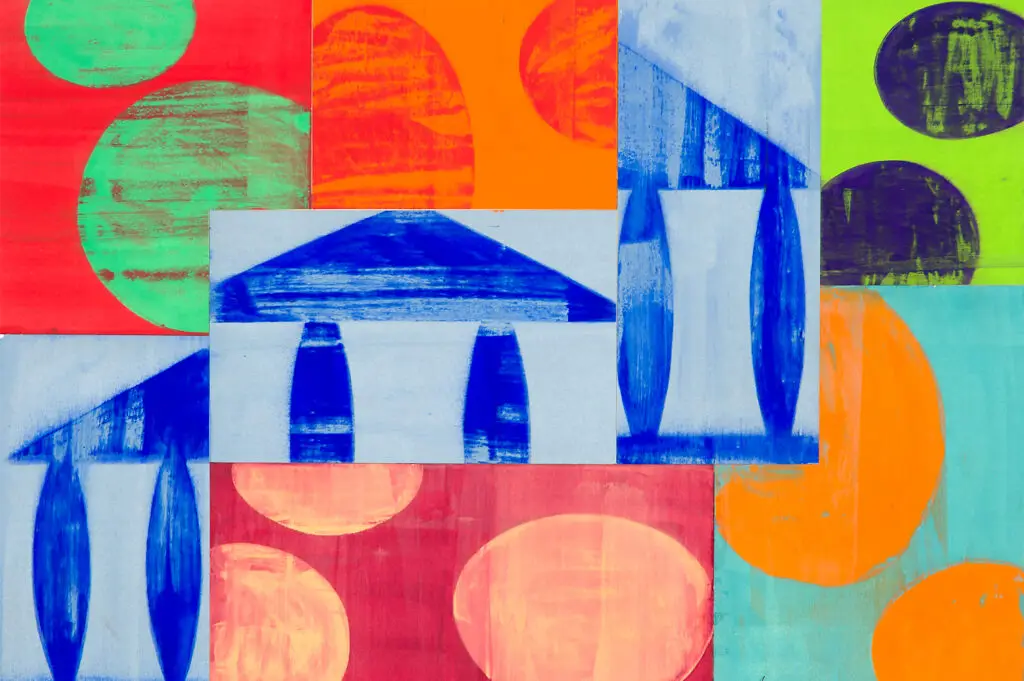
In Untitled, Charles Arnoldi explores the expressive potential of line, color, and form through a dynamic abstract composition that balances structure with spontaneity. Characterized by bold gestures and energetic movement, the artwork invites viewers to engage with the relationships between shape, space, and rhythm, allowing for personal interpretation and discovery.
Layered elements intersect and interact across the composition, creating a sense of depth and visual momentum. Arnoldi’s distinctive use of vibrant color and sweeping forms reflects a longstanding interest in abstraction as a means of conveying energy, emotion, and the complexities of the natural world without relying on direct representation.
The artwork demonstrates Arnoldi’s ability to transform simple visual elements into a compelling and immersive experience. Through its interplay of movement, balance, and color, Untitled encourages viewers to explore the work from multiple perspectives, revealing new connections and interpretations with each encounter.
Charles Arnoldi is known for his vibrant, abstract works that merge painting, sculpture, and printmaking. His practice often incorporates natural materials like branches and plywood, forming intricate constructions that suggest both organic and architectural forms. His compositions feature bold geometric shapes alongside fluid, expressive lines, creating a dynamic balance between structure and movement. Over time, his work has evolved from early stick assemblages to large-scale, colorful paintings that explore color, space, and form, placing him within the tradition of post-minimal abstraction.
Born in Dayton, Ohio in 1946, Charles Arnoldi moved to California at 18 and pursued an independent artistic path. Since the 1970s, he has built a significant career marked by experimentation across media. His work is held in major museum collections, including the Museum of Modern Art, the Whitney Museum of American Art, and the Smithsonian Institution. His innovative blending of sculptural and painterly elements has made him an influential figure in contemporary American art.